
Why Interlagos Tests Every Part of the Car
Interlagos combines an anticlockwise lap, steep elevation changes, a bumpy abrasive surface and unpredictable rain. See why F1 teams need a very different engineering approach in Brazil.
Smiths High Performance explores the engineering behind elite motorsport, examining how circuit conditions, component loads, thermal management and material selection influence race performance and reliability.
From lightweight composites and high-performance alloys to advanced engineering plastics and high-temperature materials, our insights reveal how materials technology supports the speed, safety and efficiency of modern racing machines.

Interlagos combines an anticlockwise lap, steep elevation changes, a bumpy abrasive surface and unpredictable rain. See why F1 teams need a very different engineering approach in Brazil.
Kimi Antonelli became Formula 1's youngest-ever world champion in Mexico City, but behind a historic result sits a circuit where the biggest engineering challenge is the air itself.
Kimi Antonelli moved within touching distance of the world championship in Austin, but behind the result sits a circuit that asks more different things of a car in a single lap than almost anywhere else.
Max Verstappen swept Formula 1's first Sprint weekend in Singapore, but behind the result sits a circuit that asks more of a car, for longer, than almost anywhere else on the calendar.
Sepang returned to F1 at ten weeks' notice, nine years after its last race. See how teams engineered for tropical heat, rain and a circuit with no current data.
George Russell converted pole position into his third win of the season at the Azerbaijan Grand Prix, but behind the drama sits a circuit that exposes the new generation of Formula 1 car like almost nowhere else.
Formula 1's first visit to the Madring produced a race shaped as much by strategy as by pace, but behind the result sits something teams almost never face: a circuit with no history at all.
Monza asks the opposite engineering question to Zandvoort: a small number of extreme events separated by long periods of almost no mechanical input at all.
Zandvoort compresses a full season's worth of structural loading into 4.3km, and the 2026 sprint format left teams barely an hour of practice to prove they had read it correctly.
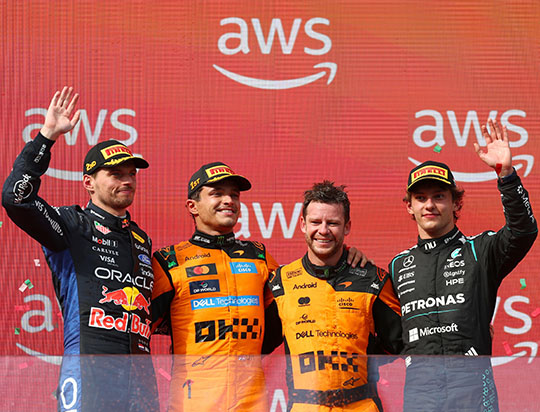
Formula 1's return to the Hungaroring this past weekend produced a result few would have predicted at the start of the season, with Lando Norris taking his first win of the year after a mid-race McLaren strategy split and a late retirement for teammate Oscar Piastri.
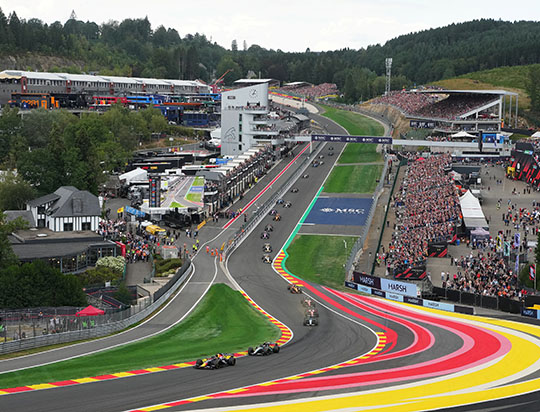
No circuit on the calendar asks more contradictory questions of a car's set-up than Spa-Francorchamps. At 7km, it's the longest lap in Formula 1, and it packs in a sustained high-speed compression through Eau Rouge-Raidillon, one of the longest flat-out straights of the season down to Les Combes, a demanding high-speed corner at Pouhon, and a tighter, more technical final sector through the Fagnes Chicane.
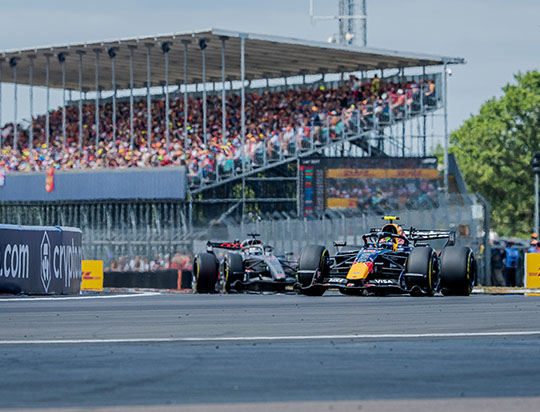
Silverstone rewards a different kind of engineering discipline to the Red Bull Ring. Where Spielberg tests components in short, violent bursts, Silverstone's long, high-speed corners test how much sustained load a car's structure and mechanisms can take without failing.
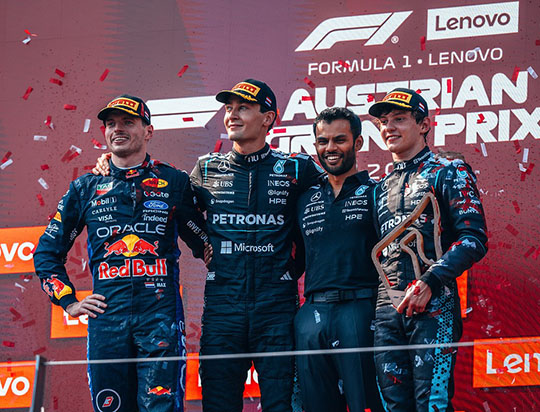
The Red Bull Ring is one of the shortest circuits on the Formula 1 calendar, but its lap time flatters it. In just 4.3 km, the track combines heavy braking zones, sharp elevation change and a sequence of high-kerb corners that punish anything built with insufficient margin.
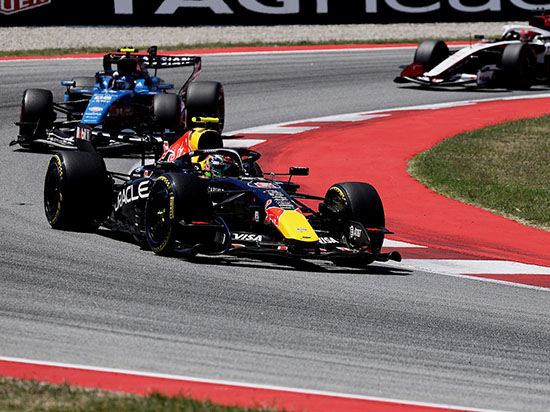
There are circuits on the Formula One calendar that test one thing exceptionally well. Monza tests straight-line speed. Monaco tests precision and mechanical grip. Spa tests aerodynamic balance and weather adaptability. The Circuit de Barcelona-Catalunya, by contrast, tests everything simultaneously — and has done so for every team on the grid since 1991.
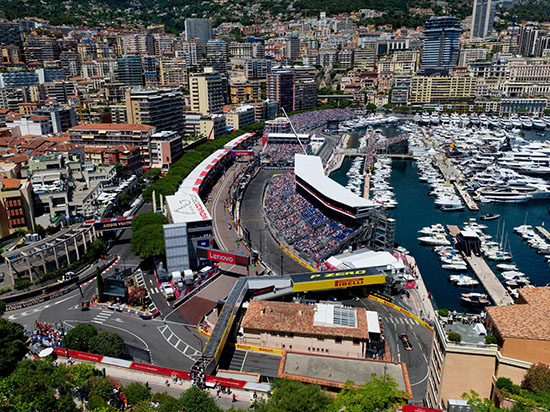
Round six of the 2026 Formula One World Championship took Formula One to the Circuit de Monaco — and to a set of engineering demands that are, in almost every meaningful sense, unlike anything else the season produces. The Principality's street circuit is the shortest, narrowest and slowest track on the calendar, yet it consistently produces the most technically intensive weekend of the year
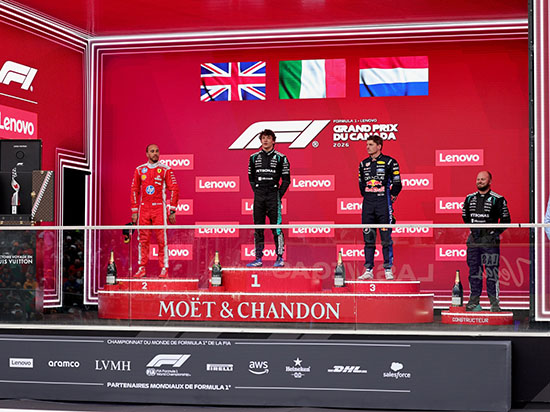
Round five of the 2026 Formula One World Championship brought the paddock to Montreal — and to one of the most technically demanding venues on the calendar. The Circuit Gilles Villeneuve sits on the man-made Île Notre-Dame in the St Lawrence River, a semi-permanent layout of flat tarmac, long straights, tight chicanes and one of the most unforgiving concrete barriers in motorsport.
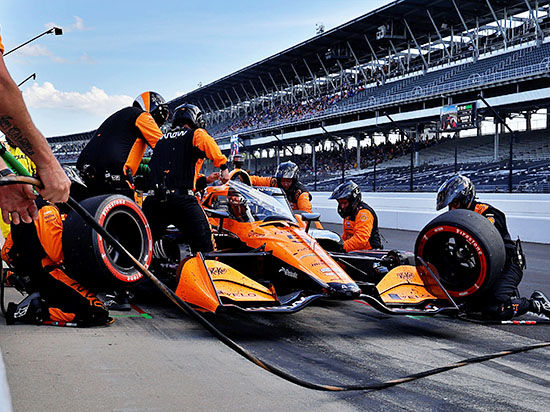
Christian Lundgaard won the 2026 Sonsio Grand Prix for Arrow McLaren at the Indianapolis Motor Speedway road course, taking his second career IndyCar victory after a race that opened with a multi-car collision on the very first lap and did not settle down from there. The win ended a 47-race drought for the Danish driver and was built on precise strategy, a perfectly executed late-race pass on David Malukas, and a car that held together through 90 laps of racing on one of the most technically unusual circuits in the series.
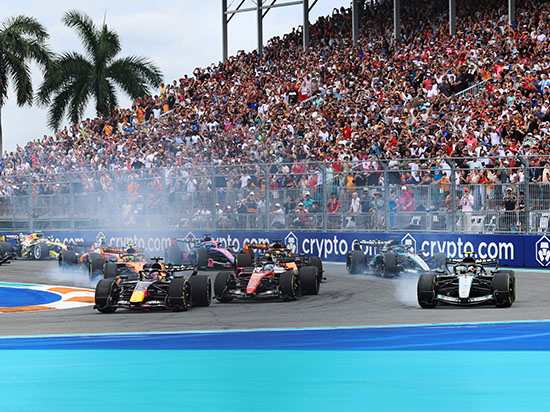
Kimi Antonelli took his third consecutive victory of the 2026 season at the Miami Grand Prix, but the result obscured how technically demanding the weekend had been. A circuit that alternates between flat-out straights and punishingly tight corners, in subtropical heat, on a surface that changes behaviour throughout the weekend — Miami asked hard questions of every engineering and design decision made back at the factory.
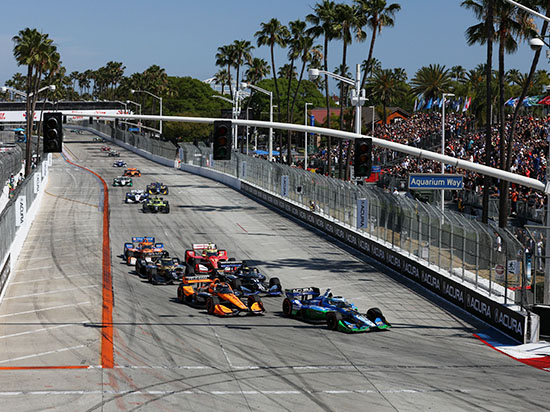
Alex Palou won the 2026 Acura Grand Prix of Long Beach on Sunday, and the margin that separated him from Felix Rosenqvist at the chequered flag had less to do with raw pace than with what happened in a single 7.3 second pit stop on Lap 59.
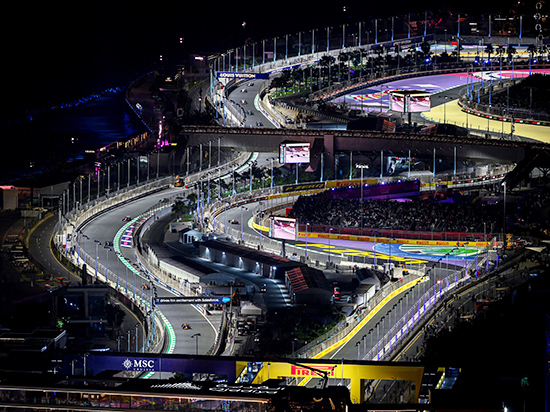
The cancellation of the Saudi Arabian Grand Prix is a different kind of loss to the one engineers absorbed when Bahrain was removed from the 2026 calendar a week earlier. Where Sakhir is a permanent facility with a well-understood surface and predictable conditions, the Jeddah Corniche Circuit is something the sport has never quite seen replicated anywhere else: a 6.1km street circuit that runs faster than almost any permanent track on the calendar.
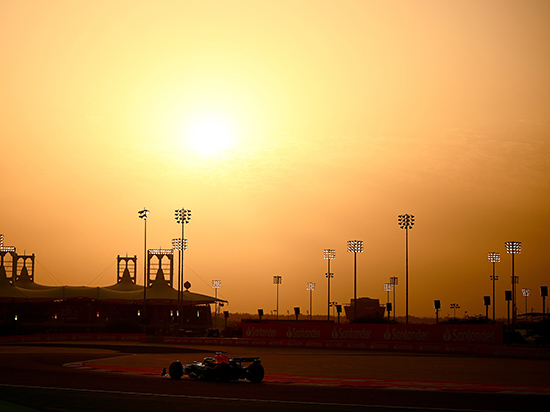
The cancellation of the Bahrain Grand Prix is not merely an administrative inconvenience. For the engineers and designers who had spent months optimising every component on their car for the specific demands of the Bahrain International Circuit, it represents the loss of something that no simulator or wind tunnel session can fully replicate: live race data from a real track, under real conditions, at race pace.
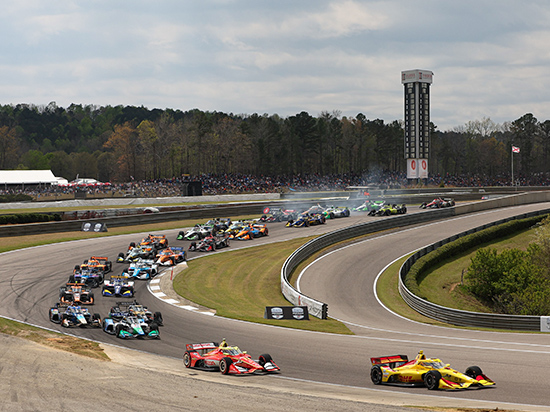
Alex Palou does not lose at Barber Motorsports Park. The four-time and reigning IndyCar champion extended that particular truth on Sunday, winning the Children's of Alabama Indy Grand Prix from pole position, leading 79 of 90 laps and crossing the line 13.3 seconds ahead of Arrow McLaren's Christian Lundgaard.
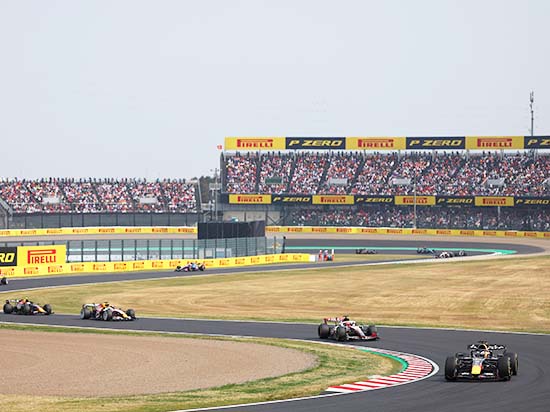
Three rounds into the 2026 Formula 1 season, and one thing is already abundantly clear: this is the most technically unforgiving regulatory era the sport has ever produced.

The Sprint Race and Grand Prix weekend in Chinese Grand Prix once again demonstrated a fundamental truth about modern Formula One: success is no longer determined by speed alone.
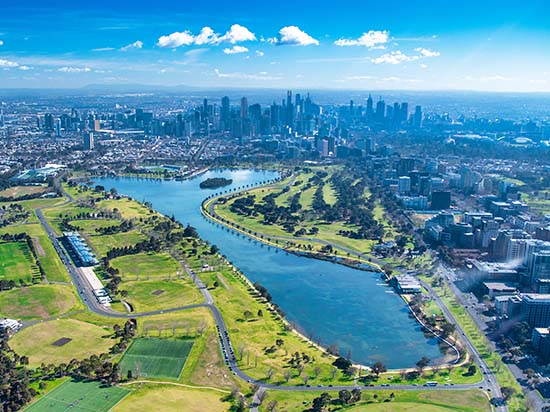
The opening round of the 2026 Formula 1 season at the Australian Grand Prix delivered exactly what motorsport fans hoped for: unpredictable racing, technical intrigue and the first real look at a completely new generation of cars.
We provide comprehensive engineering raw material support for global motorsport, including Formula 1 teams and their sub-contractors.
DISCOVER