
8090 Aluminium Lithium
Greater stiffness & reduced density
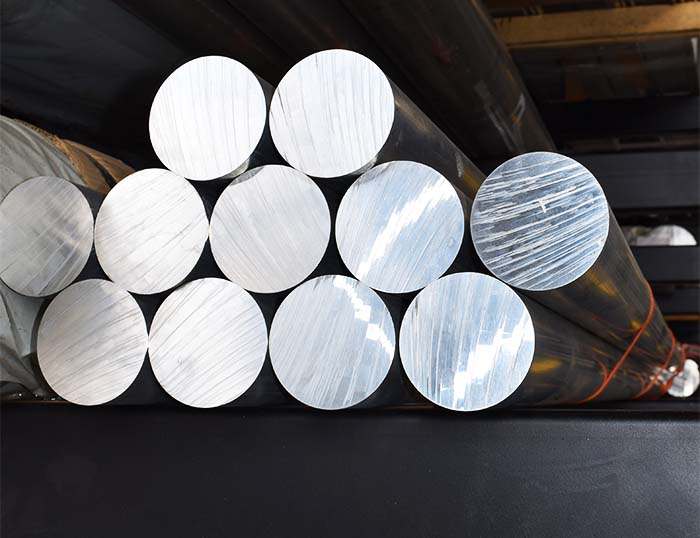
8090 is a medium-strength aluminium lithium alloy which combines higher stiffness with reduced density.
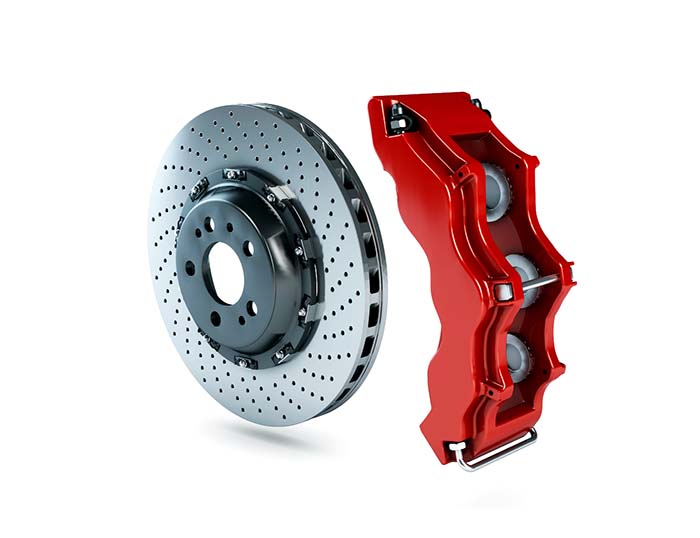
The wrought alloy is particularly interesting to the aerospace sector in producing high-technology components due to being 10% less dense compared to comparable alloys with an increase in elastic modulus of 11%. The motorsport sector also utilises 8090 aluminium lithium for producing pistons, brake callipers, metallic inserts for composite structures, structural engine parts, and fasteners. The alloy is popular in the defence sector too, as a light-weighting solution while still providing strength.
Natural Alternative:
8090 serves as a natural alternative to 2014 & 2024 aluminium alloys due to the material's impressive mechanical properties. The alloy is precipitation hardenable with good strength, formability, and weldability. It also offers significantly increased toughness and strength during exposure to cryogenic temperatures.
Suitability:
Our product is highly suitable for applications with critical requirements for damage tolerance and low density. Examples include pistons, brake callipers and engine parts.
Use in Space Exploration:
8090 aluminium lithium alloy is an advanced engineering raw material and finds use in various high-technology markets. For example, the Titan IV rocket's payload adaptor (which connects the launch vehicle and the orbiter) was produced using 8090 aluminium lithium. The material is a 2nd generation aluminium lithium alloy which was developed for commercial use in the 1970s.
Where performance matters:
When you purchase high-performance materials from Smiths High Performance, you will join some of the biggest and best global engineering companies. We are a Tier 1 supply chain partner to the world's leading motorsport companies. Our unique business structure and ethos allow us to offer services otherwise unavailable in this market sector.

- Medium strength
- High stiffness
- Excellent performance at cryogenic temperatures
- Low density
- Pistons
- Brake callipers
- Engine Parts
- Electrical components